
 Deutschland
 France
 Nederland
 Great Britain
 Sverige
 Danmark
 Suomi
Suomi Italia
 Polska
 Česko
Česko España
VS
Ford Focus vs Opel Corsa im Vergleich
Vergleiche Leistung (280 PS vs 156 PS), Kofferraum und Preis (32.100 € vs 22.900 € ) auf einen Blick. Finde jetzt heraus, welches Auto für dich die bessere Wahl ist - Ford Focus oder Opel Corsa?
Ford Focus vs Opel Corsa: Die wichtigsten Unterschiede
Alle Details zu Leistung, Verbrauch, Reichweite und Kofferraum zeigt der technische Vergleich weiter unten – dort findest du auch die Nutzerbewertungen zu beiden Modellen.
Focus
Kosten und Verbrauch:
Beim Thema Wirtschaftlichkeit zeigen sich spannende Unterschiede zwischen beiden Modellen.
Opel Corsa ist beim Preis deutlich im Vorteil – er startet ab 22.900 € , während der Ford Focus ab 32.100 € erhältlich ist. Das entspricht einem Preisunterschied von rund 9.210 €.
Auch beim Kraftstoffverbrauch zeigt sich ein Unterschied: Opel Corsa kommt mit 4,5 L/100km aus und ist damit etwas sparsamer als der Ford Focus mit 4,9 L/100km. Der Unterschied liegt bei etwa 0,4 L/100km pro 100 km.
Corsa
Motor und Leistung:
Leistung, Drehmoment und Beschleunigung sagen viel darüber aus, wie sich ein Auto im Alltag fährt. Hier zeigt sich, wer mehr Dynamik bietet.
Bei der Motorleistung hat der Ford Focus signifikant einen Vorteil – mit 280 PS statt 156 PS. Das entspricht einem Leistungsplus von rund 124 PS.
In der Beschleunigung von 0 auf 100 km/h hat der Ford Focus sichtbar die Nase vorn – er schafft den Sprint in 5,7 s, während der Opel Corsa 7,9 s benötigt. Damit ist er rund 2,2 s schneller.
Auch beim Drehmoment zeigt sich ein Unterschied: Ford Focus zieht sichtbar kräftiger durch und bietet 420 Nm statt 260 Nm. Das macht rund 160 Nm Unterschied.
Focus
Platz und Alltagstauglichkeit:
Raumangebot, Kofferraum und Zuladung sind entscheidend, wenn es um den praktischen Nutzen im Alltag geht. Hier zählt Komfort und Flexibilität.
Beide Fahrzeuge bieten ausreichend Platz für 5 Personen.
Beim Leergewicht zeigt sich Opel Corsa etwas leichter – 1.175 kg im Vergleich zu 1.330 kg. Der Gewichtsunterschied liegt bei rund 155 kg.
Beim Kofferraumvolumen hat der Ford Focus spürbar mehr Platz – 392 L gegenüber 309 L. Das sind rund 83 L Unterschied.
Auch bei der Zuladung hat Ford Focus klar das Rennen gewonnen – 560 kg gegenüber 445 kg. Das ergibt einen Unterschied von rund 115 kg.
Wer gewinnt das Rennen im Datencheck?
Der Ford Focus gewinnt das Duell deutlich im objektiven Datenvergleich.
Diese Bewertung zeigt nur, welches Modell rechnerisch mehr Punkte sammelt – nicht, welches der beiden Autos sich richtig für dich anfühlt.
ab 32.100 €
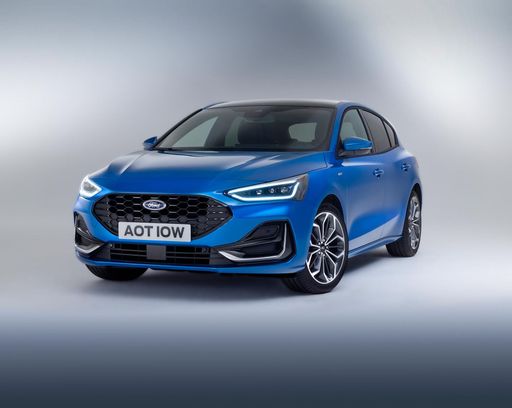
Ford Focus
Ford Focus
Opel Corsa
Kosten und Verbrauch
Detailauswertung ansehen
Detailauswertung ansehen
Motor und Leistung
Detailauswertung ansehen
Detailauswertung ansehen
Maße und Karosserie
Detailauswertung ansehen
Detailauswertung ansehen
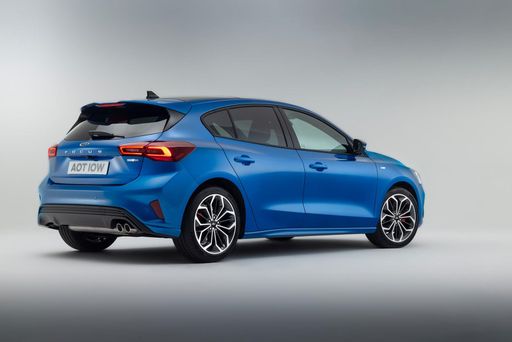
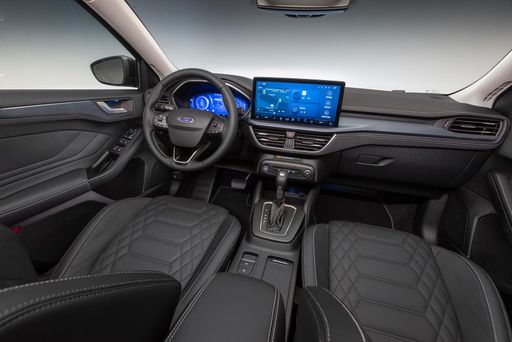
Ford Focus
Der Ford Focus ist ein agiler Kompaktwagen, der Fahrspaß und Alltagstauglichkeit geschickt verbindet. Er lenkt präzise, bietet ein durchdachtes Interieur und genug Charakter, um das Pendeln weniger trist zu machen — kein Glamourstar, aber ein zuverlässiger Freund für praktisch veranlagte Fahrer.
Alle Infos
Opel Corsa
Der Corsa ist ein quirliger Stadtflitzer, der Alltagstauglichkeit mit einer ordentlichen Portion Fahrspaß verbindet. Kein Luxustempel, aber mit spritzigem Handling, cleverer Ausstattung und sympathischem Auftritt die pragmatische Wahl für alle, die ein pfiffiges Auto ohne großen Schnickschnack suchen.
Alle Infos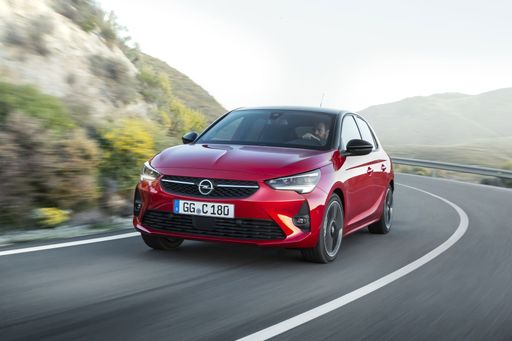
Ford Focus
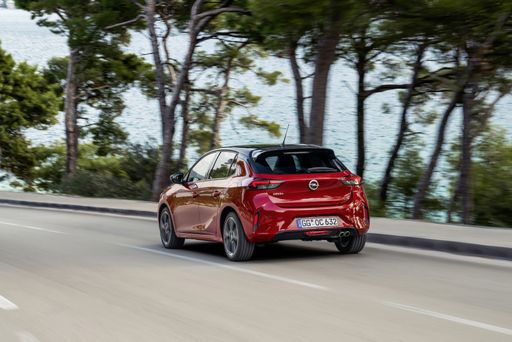
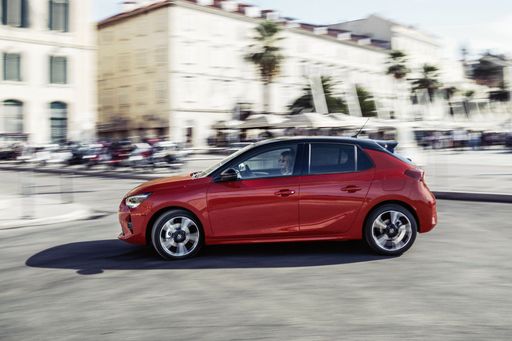
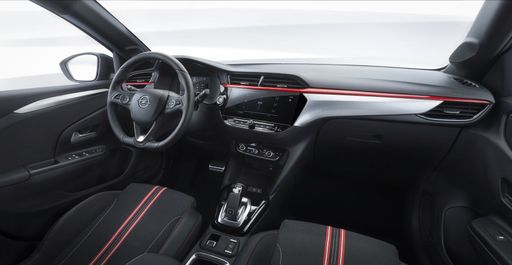
Opel Corsa
Kosten und Verbrauch |
|
|---|---|
|
Preis
32.100 - 49.900 €
|
Preis
22.900 - 35.700 €
|
|
Verbrauch L/100km
4,9 - 8 L/100km
|
Verbrauch L/100km
4,5 - 5,1 L/100km
|
|
Verbrauch kWh/100km
-
|
Verbrauch kWh/100km
14,2 - 15,7 kWh/100km
|
|
Elektrische Reichweite
-
|
Elektrische Reichweite
357 - 429 km
|
|
Batteriekapazität
-
|
Batteriekapazität
-
|
|
co2
117 - 183 g/km
|
co2
0 - 116 g/km
|
|
Tankgröße
52 L
|
Tankgröße
-
|
Maße und Karosserie |
|
|---|---|
|
Karosserie
Schrägheck
|
Karosserie
Schrägheck
|
|
Sitze
5
|
Sitze
5
|
|
Türen
5
|
Türen
-
|
|
Leergewicht
1.330 - 1.529 kg
|
Leergewicht
1.175 - 1.544 kg
|
|
Kofferraum
392 L
|
Kofferraum
267 - 309 L
|
|
Länge
4.382 - 4.397 mm
|
Länge
-
|
|
Breite
1.825 - 1.844 mm
|
Breite
1.765 mm
|
|
Höhe
1.438 - 1.482 mm
|
Höhe
-
|
|
Kofferraum maximal
1.354 L
|
Kofferraum maximal
-
|
|
Zuladung
495 - 560 kg
|
Zuladung
376 - 445 kg
|
Motor und Leistung |
|
|---|---|
|
Motorart
Benzin MHEV, Diesel, Benzin
|
Motorart
Elektro, Benzin MHEV, Benzin
|
|
Getriebe
Manuell, Automatik
|
Getriebe
Automatik, Manuell
|
|
Getriebe Detail
Schaltgetriebe, Automat. Schaltgetriebe (Doppelkupplung), Automatikgetriebe
|
Getriebe Detail
Reduktionsgetriebe, Automat. Schaltgetriebe (Doppelkupplung), Schaltgetriebe
|
|
Antriebsart
Frontantrieb
|
Antriebsart
Frontantrieb
|
|
Leistung PS
115 - 280 PS
|
Leistung PS
100 - 156 PS
|
|
Beschleunigung 0-100km/h
5,7 - 11,8 s
|
Beschleunigung 0-100km/h
7,9 - 9,9 s
|
|
max. Geschwindigkeit
186 - 250 km/h
|
max. Geschwindigkeit
-
|
|
Drehmoment
170 - 420 Nm
|
Drehmoment
205 - 260 Nm
|
|
Anzahl Zylinder
3 - 4
|
Anzahl Zylinder
3
|
|
Leistung kW
85 - 206 kW
|
Leistung kW
74 - 115 kW
|
|
Hubraum
999 - 2.261 cm3
|
Hubraum
1.199 cm3
|
Allgemein |
|
|---|---|
|
Modelljahr
2.022 - 2.024
|
Modelljahr
2.024 - 2.025
|
|
CO2-Effizienzklasse
D, G
|
CO2-Effizienzklasse
A, C, D
|
|
Marke
Ford
|
Marke
Opel
|
DriveDuel nutzt Datenanalyse und künstliche Intelligenz, um Fahrzeugdaten auszuwerten und Inhalte zu erstellen. Inhalte werden regelmäßig überprüft und verbessert.
Die angezeigten Preise sind Schätzungen auf Basis deutscher Listenpreise, angepasst an die jeweilige Landes-Mehrwertsteuer. Länderspezifische Zulassungssteuern sind nicht enthalten. Diese Informationen sind rechtlich nicht bindend.