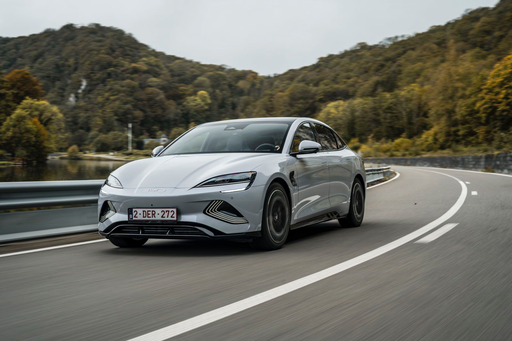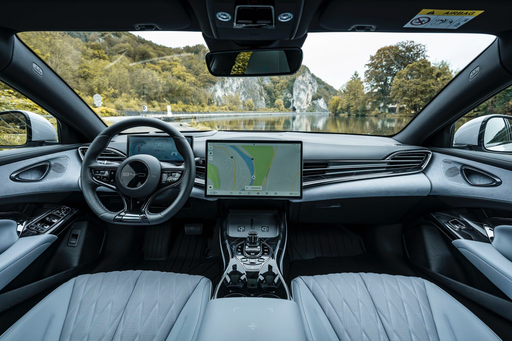
@ BYD Auto / BYD Global Media
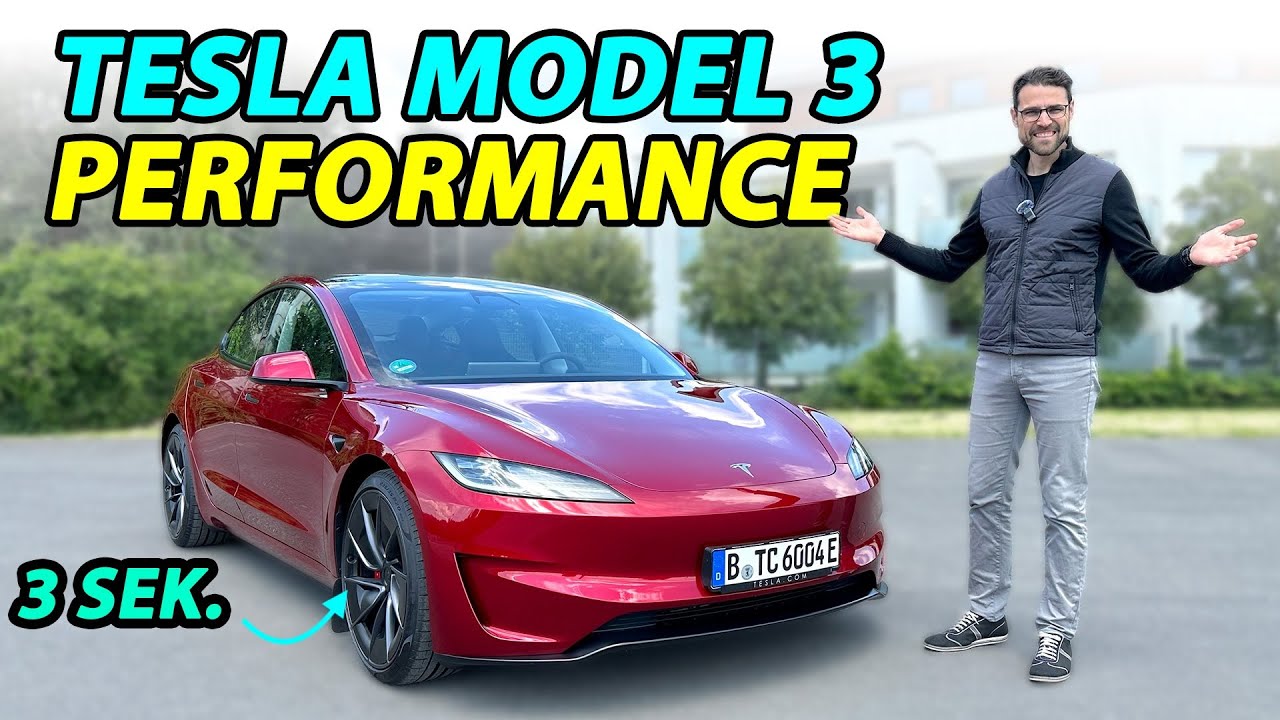
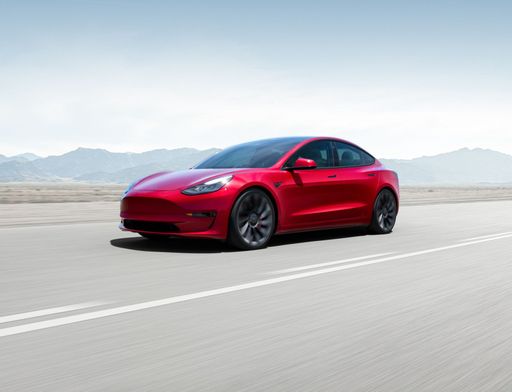
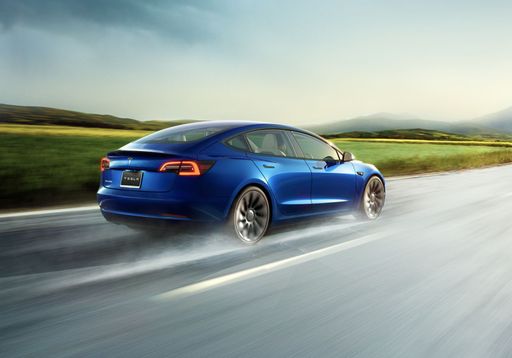
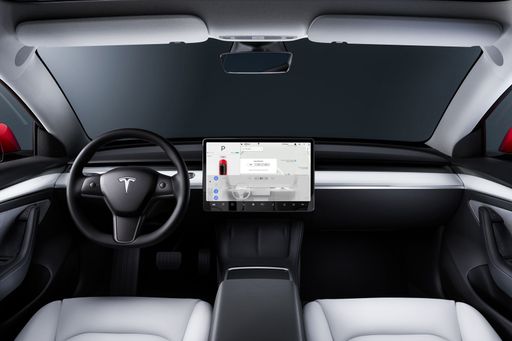
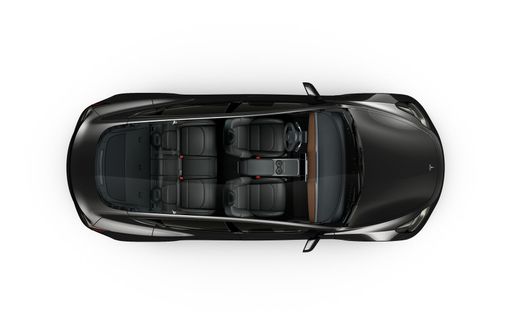
@ Tesla, Inc.
VS

BYD Seal vs Tesla Model 3 – Welches Auto passt besser zu dir?

Zwei Autos, ein Duell: BYD Seal trifft auf Tesla Model 3.
Wer überzeugt bei Leistung, Verbrauch und Preis-Leistung? Finde es jetzt heraus!

Seal @ BYD Auto / BYD Global Media

Battle of the Electric Sedans: BYD Seal vs Tesla Model 3

In the burgeoning world of electric vehicles, the BYD Seal and the Tesla Model 3 have become standout contenders in the race for dominance. Both vehicles offer impressive electric performance, cutting-edge technology, and compelling reasons to choose one over the other. Let's dig deeper into the specifics of these two sedans and see how they stack up against each other.

Model 3 @ Tesla, Inc.

Performance and Power

When it comes to performance, both the BYD Seal and the Tesla Model 3 exhibit strong electric motor capabilities. The BYD Seal comes with two power variants: a rear-wheel-drive configuration with 313 horsepower and an all-wheel-drive variant boasting 530 horsepower. It accelerates from 0 to 100 km/h in an impressive 5.9 seconds for the base model and 3.8 seconds for the more powerful version. The Seal features a maximum speed of 180 km/h and delivers torque of up to 670 Nm.

On the other hand, the Tesla Model 3 offers multiple power options ranging from 283 to 627 horsepower across its variants. With the fastest acceleration time at a mere 3.1 seconds for the top-tier version and a top speed reaching up to 262 km/h, the Model 3 maintains its reputation for exhilarating performance. Torque ranges between 420 to 660 Nm, ensuring responsive acceleration.

Seal @ BYD Auto / BYD Global Media

Range and Efficiency

Both the BYD Seal and Tesla Model 3 place a strong emphasis on energy efficiency and range, which are critical factors for any potential EV buyer. The BYD Seal offers an electric range of up to 570 km, while consumption ranges between 16.6 to 18.2 kWh/100km, with the Seal being tailored for those looking to maximize distance on a single charge.

In comparison, the Tesla Model 3 provides a competitive edge with its expansive range. The highest range available for Model 3 is 702 km, which is one of the longest in its segment. It has an energy consumption of 13.2 to 16.7 kWh/100km, showcasing Tesla's commitment to energy efficiency and minimizing charging stops during lengthy journeys.

Model 3 @ Tesla, Inc.

Design and Comfort

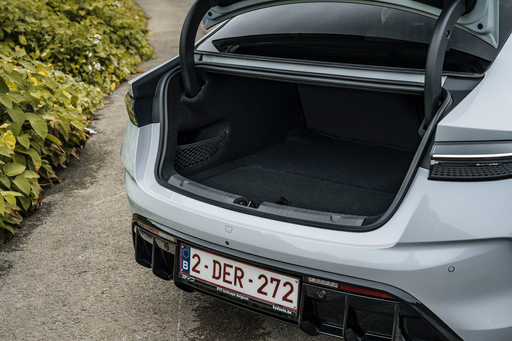
The BYD Seal sports a sleek sedan design with dimensions of 4800 mm in length, 1875 mm in width, and 1460 mm in height, providing ample interior space for occupants. The trunk capacity stands at 400 liters, offering decent storage for most needs.

In contrast, the Tesla Model 3 is styled as a hatchback, which provides added practicality with a trunk capacity of 594 liters, suiting families or those requiring additional storage space. It features near-perfect proportions with a blend of elegance and aerodynamic efficiency, measuring up to 4724 mm in length and a consistent width of 1850 mm.

Seal @ BYD Auto / BYD Global Media

Weight and Payload

The curb weight of the BYD Seal ranges from 2055 to 2185 kg, allowing for a payload capacity of up to 446 kg, sufficient for both passengers and cargo. The Tesla Model 3's curb weight is lighter, ranging from 1822 to 1929 kg, accompanied by a payload capacity varying between 303 to 333 kg.

Model 3 @ Tesla, Inc.

Conclusion

In this head-to-head comparison, both the BYD Seal and Tesla Model 3 offer compelling arguments for being the electric car of choice. The Seal impresses with its spacious interior and robust performance at competitive pricing, while the Model 3 continues to captivate with its extensive range, high efficiency, and innovative technology. Ultimately, potential buyers will have to determine which factors – be it range, performance, or practicality – are more crucial to their needs. Regardless of choice, both models reinforce the exciting growth and potential within the electric vehicle market.

Hier wird’s konkret: Die technischen Unterschiede im Detail

Seal @ BYD Auto / BYD Global Media

Kosten und Verbrauch:

Preis und Effizienz gehören zu den wichtigsten Kriterien beim Autokauf – und genau hier trennt sich häufig die Spreu vom Weizen.

Tesla Model 3 ist beim Preis leicht im Vorteil – er startet bereits ab 40000 €, während der BYD Seal mit 47000 € etwas teurer ist. Das entspricht einem Preisunterschied von rund 7000 €.

Beim Stromverbrauch liegt der Vorteil beim Tesla Model 3: Mit 13.20 kWh pro 100 km ist er leicht effizienter als der BYD Seal mit 15.40 kWh. Das sind rund 2.20 kWh Unterschied.

In Sachen Reichweite kann der Tesla Model 3 spürbar mehr überzeugen: Er schafft bis zu 750 km, also etwa 180 km mehr als der BYD Seal.

Model 3 @ Tesla, Inc.

Motor und Leistung:

Leistung, Drehmoment und Beschleunigung sind die klassischen Werte, an denen sich Autofans messen – und hier offenbaren sich interessante Unterschiede.

Bei der Motorleistung hat der BYD Seal ein Stück weit einen Vorteil – mit 530 PS statt 460 PS. Das entspricht einem Leistungsplus von rund 70 PS.

In der Beschleunigung von 0 auf 100 km/h hat der Tesla Model 3 spürbar die Nase vorn – er schafft den Sprint in 3.10 s, während der BYD Seal 3.80 s benötigt. Damit ist er rund 0.70 s schneller.

Bei der Höchstgeschwindigkeit liegt der Tesla Model 3 etwas vorn – er erreicht 262 km/h, während der BYD Seal bei 220 km/h endet. Der Unterschied beträgt etwa 42 km/h.

Auch beim Drehmoment zeigt sich ein Unterschied: BYD Seal zieht geringfügig kräftiger durch und bietet 670 Nm statt 660 Nm. Das macht rund 10 Nm Unterschied.

Seal @ BYD Auto / BYD Global Media

Platz und Alltagstauglichkeit:

Ob Familienauto oder Alltagsbegleiter – wer bietet mehr Platz, mehr Flexibilität und mehr Komfort?

Beide Fahrzeuge bieten ausreichend Platz für 5 Personen.

Beim Leergewicht zeigt sich Tesla Model 3 nur leicht leichter – 1822 kg im Vergleich zu 1907 kg. Der Gewichtsunterschied liegt bei rund 85 kg.

Beim Kofferraumvolumen hat der Tesla Model 3 spürbar mehr Platz – 594 L gegenüber 400 L. Das sind rund 194 L Unterschied.

Auch bei der Zuladung hat BYD Seal merklich das Rennen gewonnen – 473 kg gegenüber 333 kg. Das ergibt einen Unterschied von rund 140 kg.

Wer gewinnt das Rennen?

Der Tesla Model 3 übertrifft den Rivalen in fast allen Punkten und ist somit unser DriveDuel Champion!
Tesla Model 3 ist der bessere Allrounder in diesem Vergleich.

ab ca. 40.000 €
Model 3 @ Tesla, Inc.

Tesla Model 3

  • Motorart : Elektro
  • Getriebe : Automatik
  • Antriebsart : Heckantrieb, Allrad
  • Leistung PS : 283 - 460 PS
  • Verbrauch kWh/100km : 13.2 - 16.7 kWh
  • Elektrische Reichweite : 550 - 750 km

BYD Seal

Der BYD Seal beeindruckt mit seinem fließenden, sportlich-eleganten Design und einer spürbar elektrischen Souveränität auf der Straße. Innen bietet er viel Alltagstauglichkeit, moderne Technik und ein attraktives Preis-Leistungs-Verhältnis — kurz gesagt: ein charmanter Gegner für etablierte Marken, der erwachsene Käufer neugierig macht.

Details

Tesla Model 3

Das Tesla Model 3 fährt sich wie ein Smartphone auf Rädern: minimalistisch, direkt und mit einem Hauch von Zukunfts-Technik im Alltag. Für Käufer, die Alltagstauglichkeit, sparsame Bedienung und ein Fahrzeug mit Charisma suchen, bleibt es eine der überzeugendsten Elektro-Alternativen – und sorgt immer wieder für überraschte Blicke.

Details
BYD Seal
Tesla Model 3
Seal @ BYD Auto / BYD Global Media
Model 3 @ Tesla, Inc.

Kosten und Verbrauch

Preis
47000 - 53000 €
Preis
40000 - 58500 €
Verbrauch L/100km
-
Verbrauch L/100km
-
Verbrauch kWh/100km
15.4 - 18.2 kWh
Verbrauch kWh/100km
13.2 - 16.7 kWh
Elektrische Reichweite
460 - 570 km
Elektrische Reichweite
550 - 750 km
Batteriekapazität
-
Batteriekapazität
64.5 - 83 kWh
co2
0 g/km
co2
0 g/km
Tankgröße
-
Tankgröße
-

Maße und Karosserie

Karosserie
Limousine
Karosserie
Limousine
Sitze
5
Sitze
5
Türen
4
Türen
4
Leergewicht
1907 - 2185 kg
Leergewicht
1822 - 1929 kg
Kofferraum
400 L
Kofferraum
594 L
Länge
4800 mm
Länge
4720 - 4724 mm
Breite
1875 mm
Breite
1850 mm
Höhe
1460 mm
Höhe
1431 - 1440 mm
Kofferraum maximal
-
Kofferraum maximal
-
Zuladung
446 - 473 kg
Zuladung
303 - 333 kg

Motor und Leistung

Motorart
Elektro
Motorart
Elektro
Getriebe
Automatik
Getriebe
Automatik
Getriebe Detail
Reduktionsgetriebe
Getriebe Detail
Reduktionsgetriebe
Antriebsart
Heckantrieb, Allrad
Antriebsart
Heckantrieb, Allrad
Leistung PS
231 - 530 PS
Leistung PS
283 - 460 PS
Beschleunigung 0-100km/h
3.8 - 7.5 s
Beschleunigung 0-100km/h
3.1 - 6.1 s
max. Geschwindigkeit
180 - 220 km/h
max. Geschwindigkeit
201 - 262 km/h
Drehmoment
360 - 670 Nm
Drehmoment
420 - 660 Nm
Anzahl Zylinder
-
Anzahl Zylinder
-
Leistung kW
170 - 390 kW
Leistung kW
208 - 338 kW
Hubraum
-
Hubraum
-

Allgemein

Modelljahr
2023 - 2025
Modelljahr
2025
CO2-Effizienzklasse
A
CO2-Effizienzklasse
A
Marke
BYD
Marke
Tesla
Welche Antriebsarten sind für den BYD Seal erhältlich?

Der BYD Seal ist verfügbar als Heckantrieb oder Allrad.

Die angezeigten Preise und Daten sind Schätzungen, die auf deutschen Listenpreisen basieren, und können je nach Land variieren. Diese Informationen sind rechtlich nicht bindend.