
 Deutschland
 France
 Nederland
 Great Britain
 Sverige
 Danmark
 Suomi
Suomi Italia
 Polska
 Česko
Česko España
VS
Renault Clio vs Toyota Yaris im Vergleich
Vergleiche Leistung (158 PS vs 280 PS), Kofferraum und Preis (19.900 € vs 25.500 € ) auf einen Blick. Finde jetzt heraus, welches Auto für dich die bessere Wahl ist - Renault Clio oder Toyota Yaris?
Renault Clio vs Toyota Yaris: Die wichtigsten Unterschiede
Alle Details zu Leistung, Verbrauch, Reichweite und Kofferraum zeigt der technische Vergleich weiter unten – dort findest du auch die Nutzerbewertungen zu beiden Modellen.
Video - Renault Clio

Clio
Kosten und Verbrauch:
Preis und Effizienz sind oft die ersten Kriterien beim Autokauf. Hier zeigt sich, welches Modell auf Dauer das Rennen gewinnt – beim Tanken, Laden oder in der Anschaffung.
Renault Clio ist beim Preis spürbar im Vorteil – er startet ab 19.900 € , während der Toyota Yaris ab 25.500 € erhältlich ist. Das entspricht einem Preisunterschied von rund 5.600 €.
Auch beim Kraftstoffverbrauch zeigt sich ein Unterschied: Toyota Yaris kommt mit 3,8 L/100km aus und ist damit geringfügig sparsamer als der Renault Clio mit 4,1 L/100km. Der Unterschied liegt bei etwa 0,3 L/100km pro 100 km.
Yaris
Motor und Leistung:
Unter der Haube zeigt sich, welches Modell sportlicher ausgelegt ist und wer beim Duell die Nase vorn hat.
Bei der Motorleistung hat der Toyota Yaris signifikant einen Vorteil – mit 280 PS statt 158 PS. Das entspricht einem Leistungsplus von rund 122 PS.
In der Beschleunigung von 0 auf 100 km/h hat der Toyota Yaris wesentlich die Nase vorn – er schafft den Sprint in 5,5 s, während der Renault Clio 8,3 s benötigt. Damit ist er rund 2,8 s schneller.
Auch beim Drehmoment zeigt sich ein Unterschied: Toyota Yaris zieht signifikant kräftiger durch und bietet 390 Nm statt 190 Nm. Das macht rund 200 Nm Unterschied.
Clio
Platz und Alltagstauglichkeit:
Ob Familienauto oder Alltagsbegleiter – wer bietet mehr Platz, mehr Flexibilität und mehr Komfort?
Beide Fahrzeuge bieten ausreichend Platz für 5 Personen.
Beim Leergewicht zeigt sich Toyota Yaris etwas leichter – 1.090 kg im Vergleich zu 1.202 kg. Der Gewichtsunterschied liegt bei rund 112 kg.
Beim Kofferraumvolumen hat der Renault Clio etwas mehr Platz – 327 L gegenüber 286 L. Das sind rund 41 L Unterschied.
Auch bei der Zuladung hat Toyota Yaris eher das Rennen gewonnen – 525 kg gegenüber 463 kg. Das ergibt einen Unterschied von rund 62 kg.
Wer gewinnt das Rennen im Datencheck?
Der Toyota Yaris gewinnt das Duell deutlich im objektiven Datenvergleich.
Diese Bewertung zeigt nur, welches Modell rechnerisch mehr Punkte sammelt – nicht, welches der beiden Autos sich richtig für dich anfühlt.
ab 25.500 €
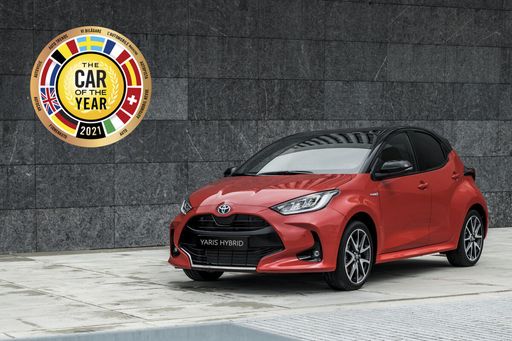
Toyota Yaris
Renault Clio
Toyota Yaris
Kosten und Verbrauch
Detailauswertung ansehen
Detailauswertung ansehen
Motor und Leistung
Detailauswertung ansehen
Detailauswertung ansehen
Maße und Karosserie
Detailauswertung ansehen
Detailauswertung ansehen
Renault Clio
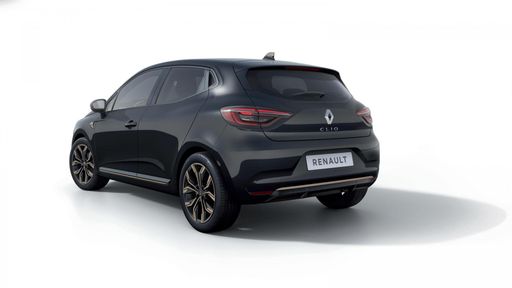
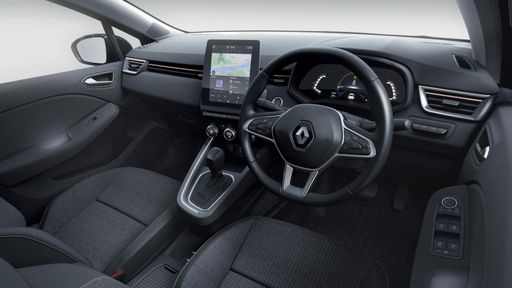
Der Renault Clio ist ein praktischer und urban orientierter Kleinwagen, der durch ein ausgewogenes Fahrverhalten und ein modernes Design besticht. Innen überzeugt er mit hochwertiger Verarbeitung und cleveren Details, die im Alltag wirklich nützlich sind.
Alle Infos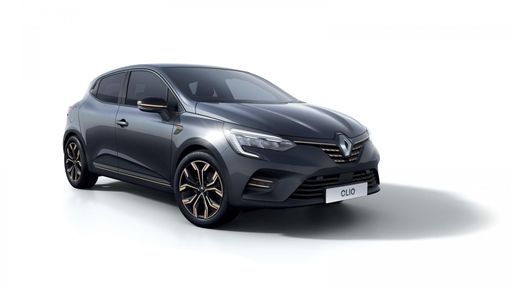
Toyota Yaris
Der Yaris ist ein zuverlässiger und sparsamer Kleinwagen, der sich besonders im Stadtverkehr souverän und wendig bewegt. Sein durchdachter Innenraum und die praktische Ausstattung machen ihn zu einer pragmatischen Wahl für den Alltag.
Alle Infos
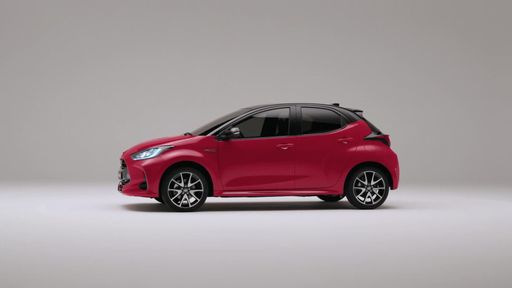
Renault Clio
Toyota Yaris
Kosten und Verbrauch |
|
|---|---|
|
Preis
19.900 - 27.600 €
|
Preis
25.500 - 47.600 €
|
|
Verbrauch L/100km
4,1 - 5,2 L/100km
|
Verbrauch L/100km
3,8 - 8,7 L/100km
|
|
Verbrauch kWh/100km
-
|
Verbrauch kWh/100km
-
|
|
Elektrische Reichweite
-
|
Elektrische Reichweite
-
|
|
Batteriekapazität
-
|
Batteriekapazität
-
|
|
co2
92 - 118 g/km
|
co2
87 - 197 g/km
|
|
Tankgröße
-
|
Tankgröße
-
|
Maße und Karosserie |
|
|---|---|
|
Karosserie
Schrägheck
|
Karosserie
Schrägheck
|
|
Sitze
5
|
Sitze
4 - 5
|
|
Türen
-
|
Türen
-
|
|
Leergewicht
1.202 - 1.316 kg
|
Leergewicht
1.090 - 1.356 kg
|
|
Kofferraum
301 - 327 L
|
Kofferraum
141 - 286 L
|
|
Länge
-
|
Länge
-
|
|
Breite
1.768 mm
|
Breite
1.745 - 1.805 mm
|
|
Höhe
-
|
Höhe
-
|
|
Kofferraum maximal
-
|
Kofferraum maximal
-
|
|
Zuladung
453 - 463 kg
|
Zuladung
289 - 525 kg
|
Motor und Leistung |
|
|---|---|
|
Motorart
Benzin, Vollhybrid
|
Motorart
Vollhybrid, Benzin
|
|
Getriebe
Manuell, Automatik
|
Getriebe
Automatik, Manuell
|
|
Getriebe Detail
Schaltgetriebe, Automat. Schaltgetriebe (Doppelkupplung), Automatikgetriebe
|
Getriebe Detail
CVT-Getriebe, Schaltgetriebe
|
|
Antriebsart
Frontantrieb
|
Antriebsart
Frontantrieb, Allrad
|
|
Leistung PS
115 - 158 PS
|
Leistung PS
116 - 280 PS
|
|
Beschleunigung 0-100km/h
8,3 - 10,3 s
|
Beschleunigung 0-100km/h
5,5 - 9,7 s
|
|
max. Geschwindigkeit
-
|
max. Geschwindigkeit
-
|
|
Drehmoment
190 Nm
|
Drehmoment
390 Nm
|
|
Anzahl Zylinder
3 - 4
|
Anzahl Zylinder
3
|
|
Leistung kW
84 - 116 kW
|
Leistung kW
85 - 206 kW
|
|
Hubraum
1.199 - 1.789 cm3
|
Hubraum
1.490 - 1.618 cm3
|
Allgemein |
|
|---|---|
|
Modelljahr
2026
|
Modelljahr
2026
|
|
CO2-Effizienzklasse
C, D, B
|
CO2-Effizienzklasse
B, G
|
|
Marke
Renault
|
Marke
Toyota
|
DriveDuel nutzt Datenanalyse und künstliche Intelligenz, um Fahrzeugdaten auszuwerten und Inhalte zu erstellen. Inhalte werden regelmäßig überprüft und verbessert.
Die angezeigten Preise sind Schätzungen auf Basis deutscher Listenpreise, angepasst an die jeweilige Landes-Mehrwertsteuer. Länderspezifische Zulassungssteuern sind nicht enthalten. Diese Informationen sind rechtlich nicht bindend.