@ Volkswagen AG / VW Media
VS

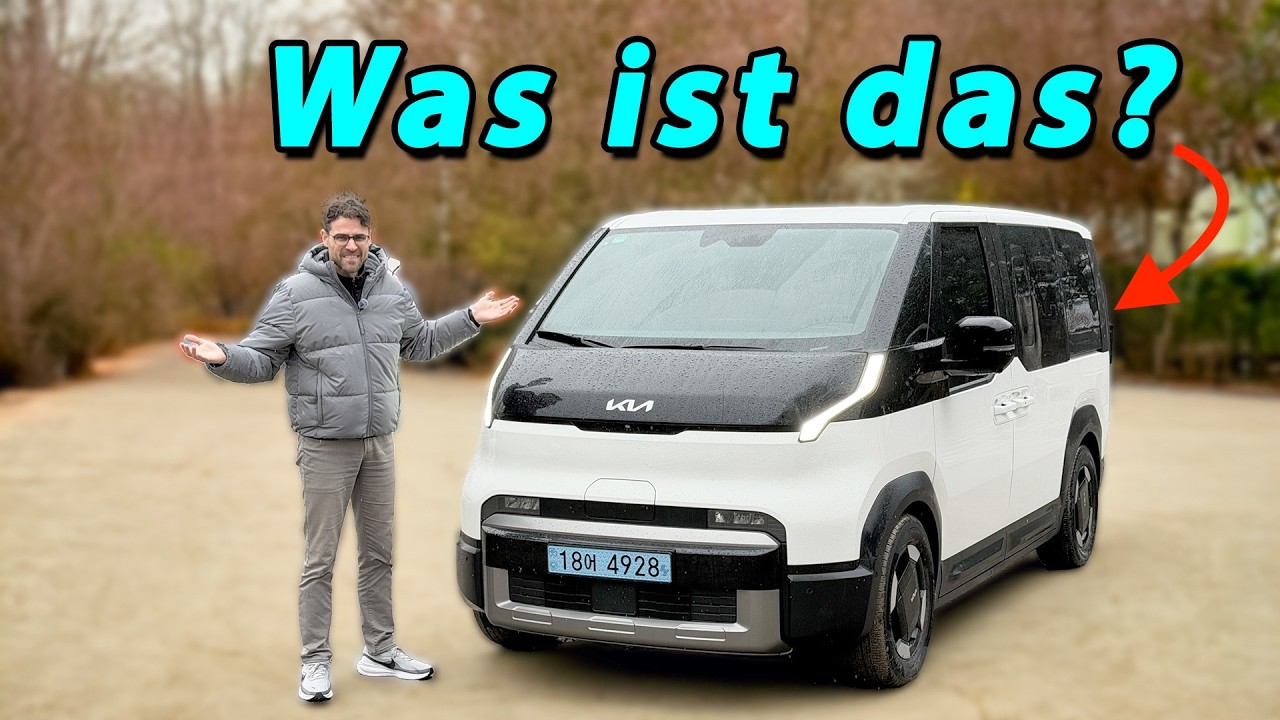
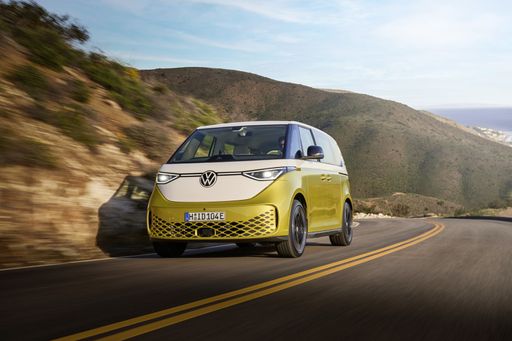
VW ID. Buzz Bus vs Kia PV5 – Leistung, Reichweite & Verbrauch im Vergleich

Beide Modelle haben ihre Stärken – aber welches passt besser zu dir?
Vergleiche Leistung, Verbrauch, Preis und Platzangebot direkt: VW ID. Buzz Bus oder Kia PV5?

ID. Buzz Bus @ Volkswagen AG / VW Media

Volkswagen ID. Buzz Bus vs. Kia PV5: The Ultimate Electric Van Showdown

As the world moves towards sustainable transportation, electric vehicles (EVs) are at the forefront of this revolution. The Volkswagen ID. Buzz Bus and the Kia PV5 both exemplify the wave of innovation driving the electric van segment. While both offer eco-friendly credentials, they cater to different needs and preferences. Let's take a closer look into their technical aspects and innovations.

ID. Buzz Bus @ Volkswagen AG / VW Media

Design and Body Type

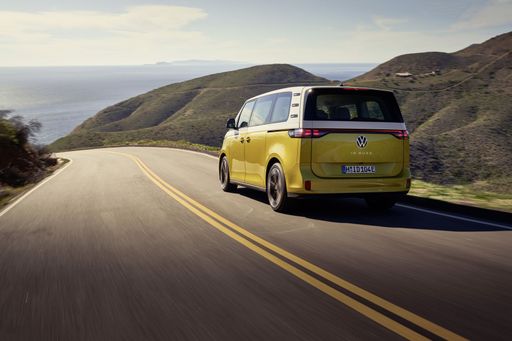
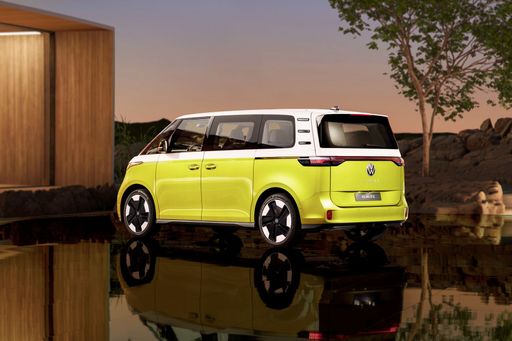
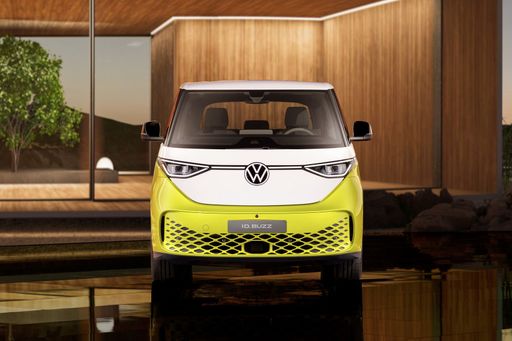
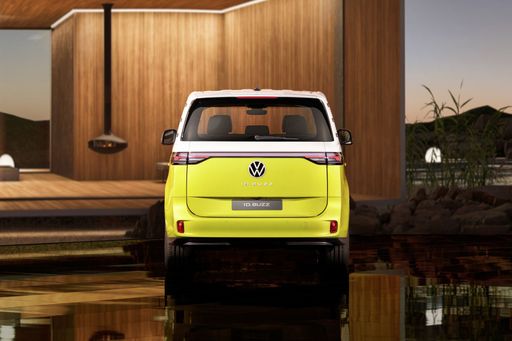
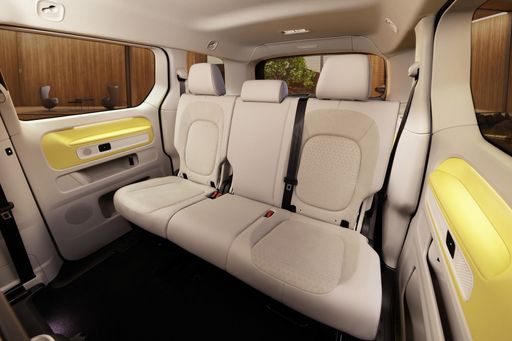
The Volkswagen ID. Buzz Bus takes inspiration from the iconic VW microbus, recast for the electric age. This bus features a spacious design with a contemporary twist, providing accommodation for up to five passengers. Measuring between 4712 mm and 4962 mm in length, it is slightly larger than traditional vans, supporting its versatility for both family transport and cargo.

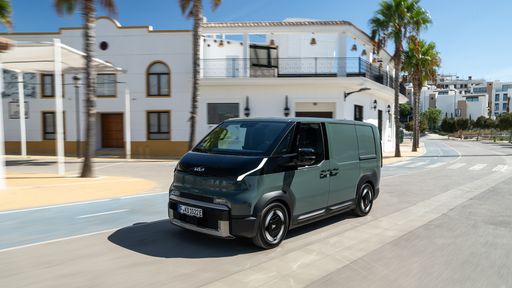
The Kia PV5, on the other hand, is a more utilitarian cargo van designed with practicality in mind. With a length of 4695 mm and a width of 1850 mm, it is more compact than the ID. Buzz. The PV5 is perfect for businesses needing a reliable, eco-friendly cargo solution, with seats limited to two for maximum storage efficiency.

ID. Buzz Bus @ Volkswagen AG / VW Media

Power and Performance

When it comes to power, the VW ID. Buzz bus is available in several configurations with power outputs ranging from 170 HP to 340 HP, and a variety of torque options extending up to 679 Nm. This rear-wheel or all-wheel drive provides a more dynamic driving experience, with acceleration from 0 to 100 km/h as quick as 6.1 seconds in its most potent form.

The Kia PV5 is no slouch in its domain, offering 121 HP and a torque of 250 Nm channelled through its front-wheel-drive system. While its 0-100 km/h time of 16.3 seconds is slower compared to the ID. Buzz, it perfectly matches the van's intended use as a reliable cargo transport.

ID. Buzz Bus @ Volkswagen AG / VW Media

Range and Efficiency

On the range front, Volkswagen's ID. Buzz excels with an impressive battery capacity ranging from 59 kWh to 86 kWh, depending on the variant. This accommodates an electric range spanning from 329 km to 485 km on a single charge, making it ideal for long-distance traveling.

Conversely, the Kia PV5 offers a more modest 51.5 kWh battery, which supports an electric range of 291 km. While suitable for shorter trips or urban deliveries, the PV5's range caters to a different set of operational requirements.

ID. Buzz Bus @ Volkswagen AG / VW Media

Technical Innovations

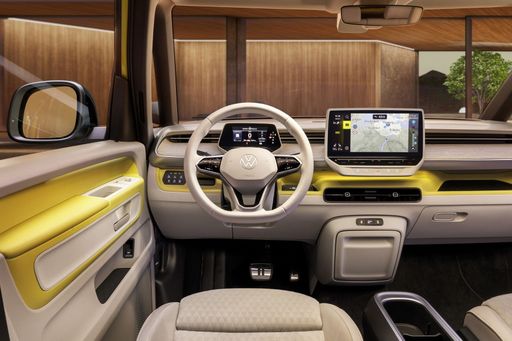
Both vehicles boast the latest in EV technology, catering to different user needs. The ID. Buzz Bus features VW's innovative tech suite, including multiple drive options and efficiency modes to optimize energy consumption depending on driving conditions.

The Kia PV5 employs a reduction gearbox transmission detail, emphasizing simplicity and efficiency—a perfect choice for urban and suburban routes. Both vehicles maintain a rigorously efficient CO2 footprint, achieving an A-classification in electric efficiency.

ID. Buzz Bus @ Volkswagen AG / VW Media

Final Verdict

Deciding between the Volkswagen ID. Buzz Bus and the Kia PV5 largely depends on the intended usage. For those seeking a versatile family vehicle or a multi-purpose transporter, the ID. Buzz with its multiple power options and larger seating capacity shines. Meanwhile, businesses seeking a dedicated cargo van will find the Kia PV5's efficient and compact design perfectly aligned with their needs.

Both vehicles represent significant strides toward sustainable transportation, each crafted meticulously to serve its unique market, ensuring there is an electric option for all preferences and needs.

Hier wird’s konkret: Die technischen Unterschiede im Detail

ID. Buzz Bus @ Volkswagen AG / VW Media

Kosten und Verbrauch:

Preis und Effizienz sind oft die ersten Kriterien beim Autokauf. Hier zeigt sich, welches Modell auf Dauer die das Rennen gewinnt – beim Tanken, Laden oder in der Anschaffung.

Kia PV5 ist beim Preis deutlich wahrnehmbar im Vorteil – er startet bereits ab 38300 €, während der VW ID. Buzz Bus mit 50000 € etwas teurer ist. Das entspricht einem Preisunterschied von rund 11708 €.

Beim Stromverbrauch liegt der Vorteil beim VW ID. Buzz Bus: Mit 19 kWh pro 100 km ist er kaum spürbar effizienter als der Kia PV5 mit 19.80 kWh. Das sind rund 0.80 kWh Unterschied.

In Sachen Reichweite kann der VW ID. Buzz Bus leicht mehr überzeugen: Er schafft bis zu 485 km, also etwa 85 km mehr als der Kia PV5.

ID. Buzz Bus @ Volkswagen AG / VW Media

Motor und Leistung:

Leistung, Drehmoment und Beschleunigung sind die klassischen Werte, an denen sich Autofans messen – und hier offenbaren sich interessante Unterschiede.

Bei der Motorleistung hat der VW ID. Buzz Bus signifikant einen Vorteil – mit 340 PS statt 163 PS. Das entspricht einem Leistungsplus von rund 177 PS.

In der Beschleunigung von 0 auf 100 km/h hat der VW ID. Buzz Bus überzeugend die Nase vorn – er schafft den Sprint in 6.10 s, während der Kia PV5 10.70 s benötigt. Damit ist er rund 4.60 s schneller.

Bei der Höchstgeschwindigkeit liegt der VW ID. Buzz Bus etwas vorn – er erreicht 160 km/h, während der Kia PV5 bei 135 km/h endet. Der Unterschied beträgt etwa 25 km/h.

Auch beim Drehmoment zeigt sich ein Unterschied: VW ID. Buzz Bus zieht signifikant kräftiger durch und bietet 679 Nm statt 250 Nm. Das macht rund 429 Nm Unterschied.

ID. Buzz Bus @ Volkswagen AG / VW Media

Platz und Alltagstauglichkeit:

Raumangebot, Kofferraum und Zuladung sind entscheidend, wenn es um den praktischen Nutzen im Alltag geht. Hier zählt Komfort und Flexibilität.

Beide Fahrzeuge bieten ausreichend Platz für 5 Personen.

Beim Leergewicht zeigt sich Kia PV5 spürbar leichter – 1860 kg im Vergleich zu 2400 kg. Der Gewichtsunterschied liegt bei rund 540 kg.

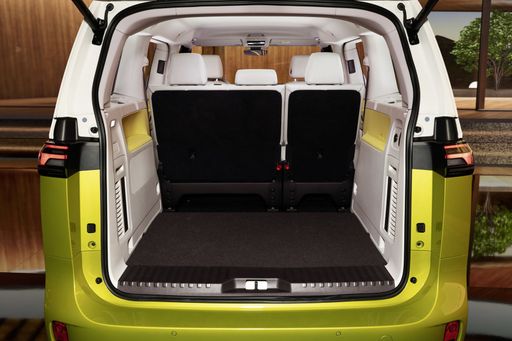
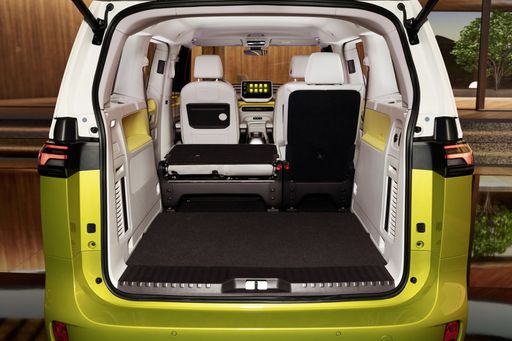
Beim Kofferraumvolumen hat der VW ID. Buzz Bus minimal mehr Platz – 1340 L gegenüber 1320 L. Das sind rund 20 L Unterschied.

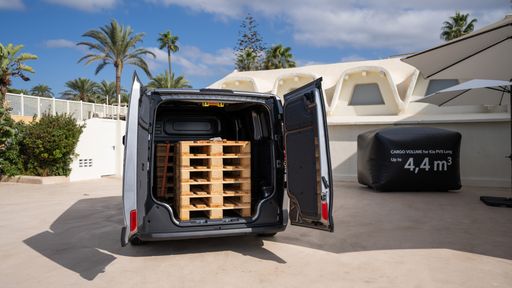
Beim maximalen Ladevolumen punktet Kia PV5 überzeugend – bis zu 4420 L, also rund 2215 L mehr als der VW ID. Buzz Bus.

Auch bei der Zuladung hat Kia PV5 merklich das Rennen gewonnen – 790 kg gegenüber 600 kg. Das ergibt einen Unterschied von rund 190 kg.

Wer ist Sieger im Duell?

Insgesamt zeigt sich der VW ID. Buzz Bus übertrifft den Rivalen in fast allen Punkten und sichert sich damit den Titel als DriveDuel Champion.
Er überzeugt mit dem ausgewogeneren Gesamtpaket und ist der vielseitigere Begleiter im Alltag.

ab ca. 50.000 €
ID. Buzz Bus @ Volkswagen AG / VW Media

VW ID. Buzz Bus

  • Motorart : Elektro
  • Getriebe : Automatik
  • Antriebsart : Heckantrieb, Allrad
  • Leistung PS : 170 - 340 PS
  • Verbrauch kWh/100km : 19 - 20.6 kWh
  • Elektrische Reichweite : 329 - 485 km

VW ID. Buzz Bus

Der VW ID. Buzz ist eine charmante, elektrisch angetriebene Neuinterpretation des klassischen Bullis, die Retro-Charme mit moderner Alltagstauglichkeit verbindet. Familien und Lifestyle-Käufer bekommen viel Platz, clevere Details und ein freundliches Cockpit – wer also ein praktisches Nutzfahrzeug mit Stil sucht, fährt hier nicht nur sparsam, sondern mit einem breiten Grinsen davon.

Details

Kia PV5

Der Kia PV5 wirkt wie ein frischer Wind im Kompakt-SUV-Segment, mit klaren Linien, durchdachtem Innenraum und einem selbstbewussten Auftritt, der Alltagstauglichkeit mit einem Hauch von Lifestyle verbindet. Wer einen praktischen, modernen Begleiter sucht, der mehr Wert auf cleveres Design und Fahrkomfort legt als auf protzige Details, findet im Kia PV5 eine sympathische Mischung, die den Alltag gleich ein Stück angenehmer macht.

Details
VW ID. Buzz Bus
Kia PV5
ID. Buzz Bus @ Volkswagen AG / VW Media

Kosten und Verbrauch

Preis
50000 - 74900 €
Preis
38300 - 45400 €
Verbrauch L/100km
-
Verbrauch L/100km
-
Verbrauch kWh/100km
19 - 20.6 kWh
Verbrauch kWh/100km
19.8 - 20.3 kWh
Elektrische Reichweite
329 - 485 km
Elektrische Reichweite
288 - 400 km
Batteriekapazität
59 - 86 kWh
Batteriekapazität
51.5 - 71.2 kWh
co2
0 g/km
co2
0 g/km
Tankgröße
-
Tankgröße
-

Maße und Karosserie

Karosserie
Bus
Karosserie
Transporter, Bus
Sitze
5
Sitze
2 - 5
Türen
5
Türen
4 - 5
Leergewicht
2400 - 2780 kg
Leergewicht
1860 - 2145 kg
Kofferraum
1121 - 1340 L
Kofferraum
1320 L
Länge
4712 - 4962 mm
Länge
4695 mm
Breite
1985 mm
Breite
1850 - 1895 mm
Höhe
1924 - 1927 mm
Höhe
1923 mm
Kofferraum maximal
2205 L
Kofferraum maximal
2300 - 4420 L
Zuladung
462 - 600 kg
Zuladung
505 - 790 kg

Motor und Leistung

Motorart
Elektro
Motorart
Elektro
Getriebe
Automatik
Getriebe
Automatik
Getriebe Detail
-
Getriebe Detail
Reduktionsgetriebe
Antriebsart
Heckantrieb, Allrad
Antriebsart
Frontantrieb
Leistung PS
170 - 340 PS
Leistung PS
121 - 163 PS
Beschleunigung 0-100km/h
6.1 - 10.7 s
Beschleunigung 0-100km/h
10.7 - 16.3 s
max. Geschwindigkeit
145 - 160 km/h
max. Geschwindigkeit
135 km/h
Drehmoment
310 - 679 Nm
Drehmoment
250 Nm
Anzahl Zylinder
-
Anzahl Zylinder
-
Leistung kW
125 - 250 kW
Leistung kW
89 - 120 kW
Hubraum
-
Hubraum
-

Allgemein

Modelljahr
2024
Modelljahr
2025
CO2-Effizienzklasse
A
CO2-Effizienzklasse
A
Marke
VW
Marke
Kia
Gibt es den VW ID. Buzz Bus mit verschiedenen Antrieben?

Der VW ID. Buzz Bus ist verfügbar als Heckantrieb oder Allrad.

Die angezeigten Preise und Daten sind Schätzungen, die auf deutschen Listenpreisen basieren, und können je nach Land variieren. Diese Informationen sind rechtlich nicht bindend.