@ Ford Motor Company / Ford Media Center
VS

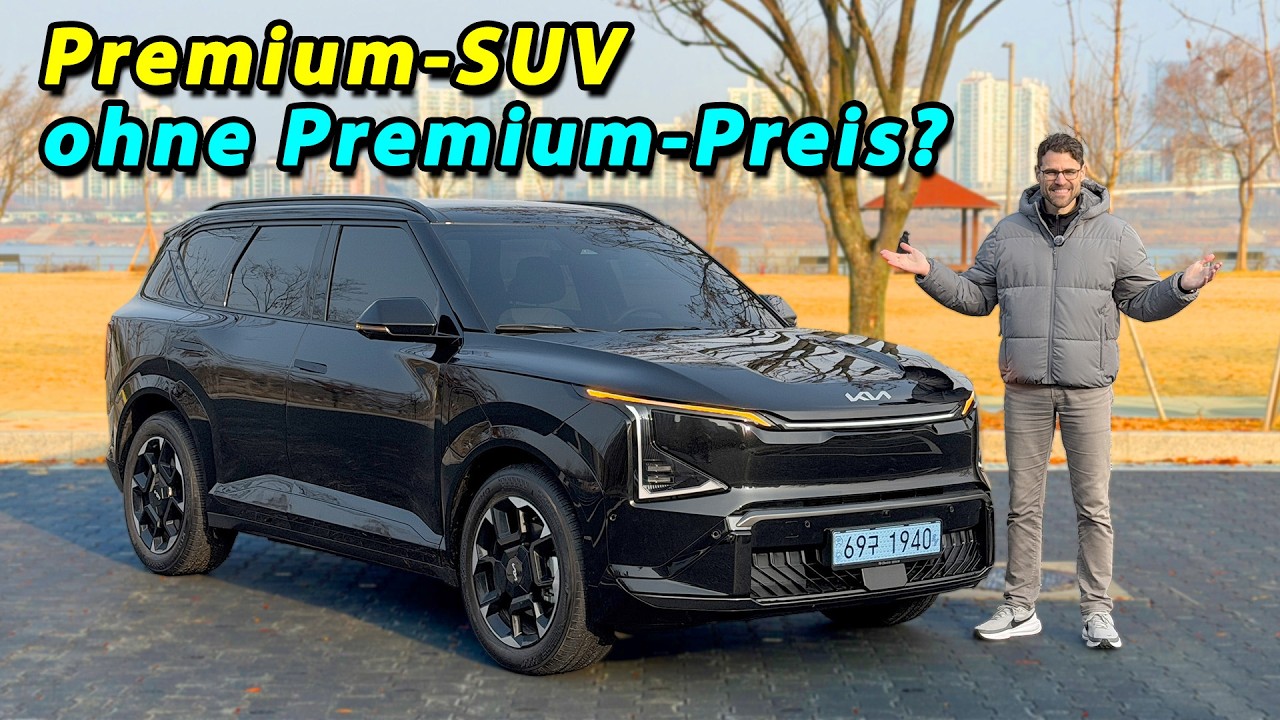
Ford Explorer EV vs Kia EV5 - Unterschiede & Preise im Vergleich

Vergleiche Leistung (340 PS vs 218 PS), Kofferraum und den Preis (39900 € vs 46000 €) auf einen Blick. Finde jetzt heraus, welches Auto für dich die bessere Wahl ist, Ford Explorer EV oder Kia EV5?

Ford Explorer EV

5 (2 Bewertungen)
bewerten

Kia EV5

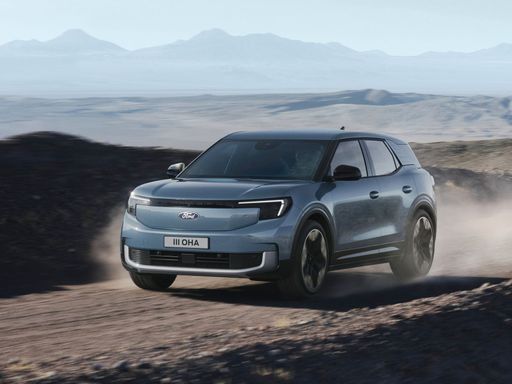
Explorer EV @ Ford Motor Company / Ford Media Center

Street Stance and First Glance

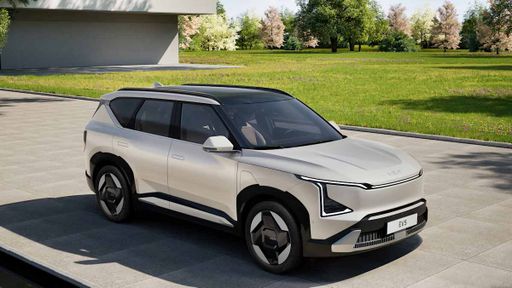
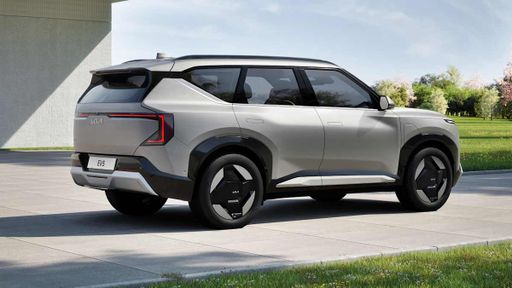
The bold, upright presence of the Ford Explorer EV walks into a room like it owns a corner office, while the Kia EV5 plays the role of the understated style star with sharper lines and a more urban-friendly silhouette. Both turn heads for different reasons: one for stature and the other for contemporary flair, so your choice starts with how you want to be seen at the school run or the city café. In short, one makes a statement, the other makes a fashion choice with practical intent.

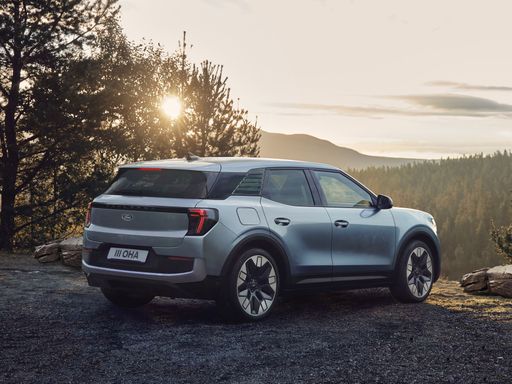
Explorer EV @ Ford Motor Company / Ford Media Center

Behind the Wheel

On the move, the Explorer feels like someone tuned its character toward confident shove and a purposeful sense of momentum, whereas the EV5 leans into composure and predictability, rewarding smooth inputs and calm progress through town. Steering and suspension tune give each a distinct personality — one is eager and assertive, the other more composed and forgiving — so drivers who prefer drama will lean one way and those after mellow efficiency will head the other. Both are civilized enough for daily commuting, but they reward different styles of driving.

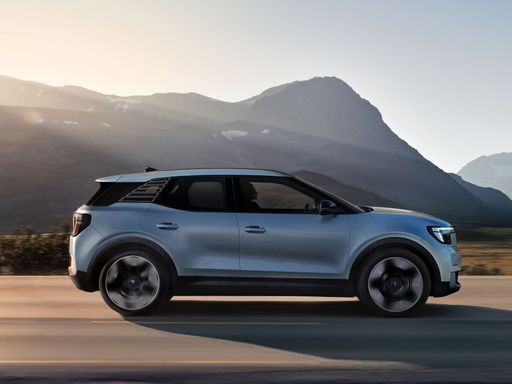
Explorer EV @ Ford Motor Company / Ford Media Center

Cabin Comfort and Daily Usability

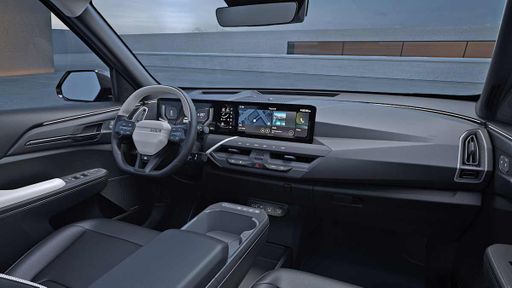
Step inside and you notice differing philosophies: the Ford prioritizes a driver-centric layout with tactile switches and a roomy feel, while the Kia emphasises modern minimalism and a cozier, well-finished environment. Materials and ergonomics are competitive on both sides, but the feel you prefer will depend on whether you like a more rugged, practical cabin or a slick, contemporary one. Controls are straightforward in each, though the user who values a simple, intuitive setup may find the EV5 slightly easier to live with day after day.

Practicality When It Matters

For family life and weekend chores the two offer sensible solutions but with different emphases: one leans toward a more utilitarian, load-it-and-go mindset while the other makes packaging feel clever and versatile for luggage and everyday items. Rear-seat comfort and the sense of space will suit long stints in either, yet those who regularly carry bulky gear might appreciate the more accommodating layout of one, whereas urban families who prize tidy packaging and flexible storage will warm to the other. Both make sensible daily companions; the deciding factor is how you use the space most often.

Ownership and Everyday Costs

Value is about more than the sticker — it’s about how ownership feels week to week, from charging habits to perceived running costs and the breadth of wet-weather or winter comfort equipment. One model aims to deliver a hard-nosed proposition that’s easy to live with, while the other leans on a slightly more premium feel and refined ownership experience. Consider which balance suits your lifestyle: budget-minded pragmatists or buyers who want a touch more polish for their daily routine.

Who Will It Suit?

Commuters who prioritize a composed, efficient city car will likely gravitate toward the model that rewards smooth, economical driving and city-friendly packaging, whereas buyers after expressive road manners and a more robust presence will prefer the option that feels punchier and more assertive on open roads. Families who need flexible load options and easy usability will find virtues in both, depending on whether they lean toward cargo volume or cabin ergonomics. In short, profile your life first — commute, cargo, or curb appeal — and the choice will become much clearer.

Turn the Page for the Verdict

We’ve unpacked how character, comfort and practicality differ between these two contenders; next, we’ll bring together the final verdict. Keep reading — the DriveDuel Champion will be revealed afterwards.

Hier wird’s konkret: Die technischen Unterschiede im Detail

Kosten und Verbrauch:

Preis und Effizienz gehören zu den wichtigsten Kriterien beim Autokauf – und genau hier trennt sich häufig die Spreu vom Weizen.

Ford Explorer EV ist beim Preis ein Stück weit im Vorteil – er startet bereits ab 39900 €, während der Kia EV5 mit 46000 € etwas teurer ist. Das entspricht einem Preisunterschied von rund 6090 €.

Beim Stromverbrauch liegt der Vorteil beim Ford Explorer EV: Mit 14.50 kWh pro 100 km ist er ein Stück weit effizienter als der Kia EV5 mit 16.90 kWh. Das sind rund 2.40 kWh Unterschied.

In Sachen Reichweite kann der Ford Explorer EV ein wenig mehr überzeugen: Er schafft bis zu 602 km, also etwa 72 km mehr als der Kia EV5.

Motor und Leistung:

Unter der Haube zeigt sich, welches Modell sportlicher ausgelegt ist und wer beim Duell die Nase vorn hat.

Bei der Motorleistung hat der Ford Explorer EV klar erkennbar einen Vorteil – mit 340 PS statt 218 PS. Das entspricht einem Leistungsplus von rund 122 PS.

In der Beschleunigung von 0 auf 100 km/h hat der Ford Explorer EV signifikant die Nase vorn – er schafft den Sprint in 5.30 s, während der Kia EV5 8.40 s benötigt. Damit ist er rund 3.10 s schneller.

Bei der Höchstgeschwindigkeit liegt der Ford Explorer EV geringfügig vorn – er erreicht 180 km/h, während der Kia EV5 bei 165 km/h endet. Der Unterschied beträgt etwa 15 km/h.

Auch beim Drehmoment zeigt sich ein Unterschied: Ford Explorer EV zieht signifikant kräftiger durch und bietet 679 Nm statt 295 Nm. Das macht rund 384 Nm Unterschied.

Platz und Alltagstauglichkeit:

Raumangebot, Kofferraum und Zuladung sind entscheidend, wenn es um den praktischen Nutzen im Alltag geht. Hier zählt Komfort und Flexibilität.

Sitzplätze: bietet mehr Sitzmöglichkeiten – vs .

Beim Leergewicht zeigt sich Ford Explorer EV kaum spürbar leichter – 1908 kg im Vergleich zu 2069 kg. Der Gewichtsunterschied liegt bei rund 161 kg.

Beim Kofferraumvolumen hat der Kia EV5 klar erkennbar mehr Platz – 566 L gegenüber 450 L. Das sind rund 116 L Unterschied.

Beim maximalen Ladevolumen punktet Kia EV5 ein Stück weit – bis zu 1650 L, also rund 228 L mehr als der Ford Explorer EV.

Auch bei der Zuladung hat Ford Explorer EV ein wenig das Rennen gewonnen – 585 kg gegenüber 511 kg. Das ergibt einen Unterschied von rund 74 kg.

Wer ist Sieger im Duell?

Insgesamt zeigt sich der Ford Explorer EV dominiert diesen Vergleich klar und sichert sich damit den Titel als DriveDuel Champion.
Er überzeugt mit dem ausgewogeneren Gesamtpaket und ist der vielseitigere Begleiter im Alltag.

ab ca. 39.900 €
Explorer EV @ Ford Motor Company / Ford Media Center

Ford Explorer EV

  • Motorart : Elektro
  • Getriebe : Automatik
  • Antriebsart : Heckantrieb, Allrad
  • Leistung PS : 170 - 340 PS
  • Verbrauch kWh/100km : 14.5 - 17.2 kWh
  • Elektrische Reichweite : 360 - 602 km
Ford Explorer EV
Kia EV5

Kosten und Verbrauch

Detailauswertung ansehen

Motor und Leistung

Detailauswertung ansehen

Maße und Karosserie

Detailauswertung ansehen

Ford Explorer EV

5 (2 Bewertungen)
bewerten

Der Ford Explorer EV zeigt sich als großzügiger Elektro-SUV mit markanter Präsenz, viel Platz für Familie und Gepäck sowie einem aufgeräumten, modernen Innenraum. Er fährt sich entspannt und souverän, kombiniert Alltagstauglichkeit mit zeitgemäßer Technik – ideal für Käufer, die ein geräumiges Elektroauto mit Komfort und Charakter suchen.

Details

Kia EV5

Der Kia EV5 wirkt wie ein frischer Wind in der Elektroklasse: markantes Design, cleverer Innenraum und spürbar erwachsene Fahrdynamik, die Alltag und Langstrecke souverän verbindet. Für Kunden, die Wert auf Raum, Technik und ein faires Preis-Leistungs-Verhältnis legen, ist der Kia EV5 eine attraktive Alternative — und er schafft es, selbst eingefleischte Verbrenner-Fans mit einem Augenzwinkern zu überzeugen.

Details
Ford Explorer EV
Kia EV5
Explorer EV @ Ford Motor Company / Ford Media Center

Kosten und Verbrauch

Preis
39900 - 56900 €
Preis
46000 - 53000 €
Verbrauch L/100km
-
Verbrauch L/100km
-
Verbrauch kWh/100km
14.5 - 17.2 kWh
Verbrauch kWh/100km
16.9 - 17.8 kWh
Elektrische Reichweite
360 - 602 km
Elektrische Reichweite
505 - 530 km
Batteriekapazität
52 - 79 kWh
Batteriekapazität
81.40 kWh
co2
0 g/km
co2
0 g/km
Tankgröße
-
Tankgröße
-

Maße und Karosserie

Karosserie
SUV
Karosserie
SUV
Sitze
5
Sitze
5
Türen
5
Türen
5
Leergewicht
1908 - 2179 kg
Leergewicht
2069 kg
Kofferraum
445 - 450 L
Kofferraum
566 L
Länge
4468 mm
Länge
4610 mm
Breite
1871 mm
Breite
1875 mm
Höhe
1630 - 1639 mm
Höhe
1675 mm
Kofferraum maximal
1417 - 1422 L
Kofferraum maximal
1650 L
Zuladung
561 - 585 kg
Zuladung
511 kg

Motor und Leistung

Motorart
Elektro
Motorart
Elektro
Getriebe
Automatik
Getriebe
Automatik
Getriebe Detail
Reduktionsgetriebe
Getriebe Detail
Reduktionsgetriebe
Antriebsart
Heckantrieb, Allrad
Antriebsart
Frontantrieb
Leistung PS
170 - 340 PS
Leistung PS
218 PS
Beschleunigung 0-100km/h
5.3 - 8.7 s
Beschleunigung 0-100km/h
8.40 s
max. Geschwindigkeit
160 - 180 km/h
max. Geschwindigkeit
165 km/h
Drehmoment
310 - 679 Nm
Drehmoment
295 Nm
Anzahl Zylinder
-
Anzahl Zylinder
-
Leistung kW
125 - 250 kW
Leistung kW
160 kW
Hubraum
-
Hubraum
-

Allgemein

Modelljahr
2024 - 2025
Modelljahr
2025
CO2-Effizienzklasse
A
CO2-Effizienzklasse
A
Marke
Ford
Marke
Kia
Welche Antriebsarten sind für den Ford Explorer EV erhältlich?

Der Ford Explorer EV ist verfügbar als Heckantrieb oder Allrad.

Die angezeigten Preise und Daten sind Schätzungen, die auf deutschen Listenpreisen basieren, und können je nach Land variieren. Diese Informationen sind rechtlich nicht bindend.